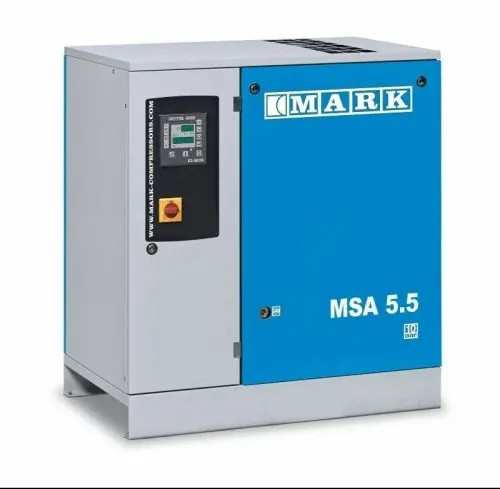


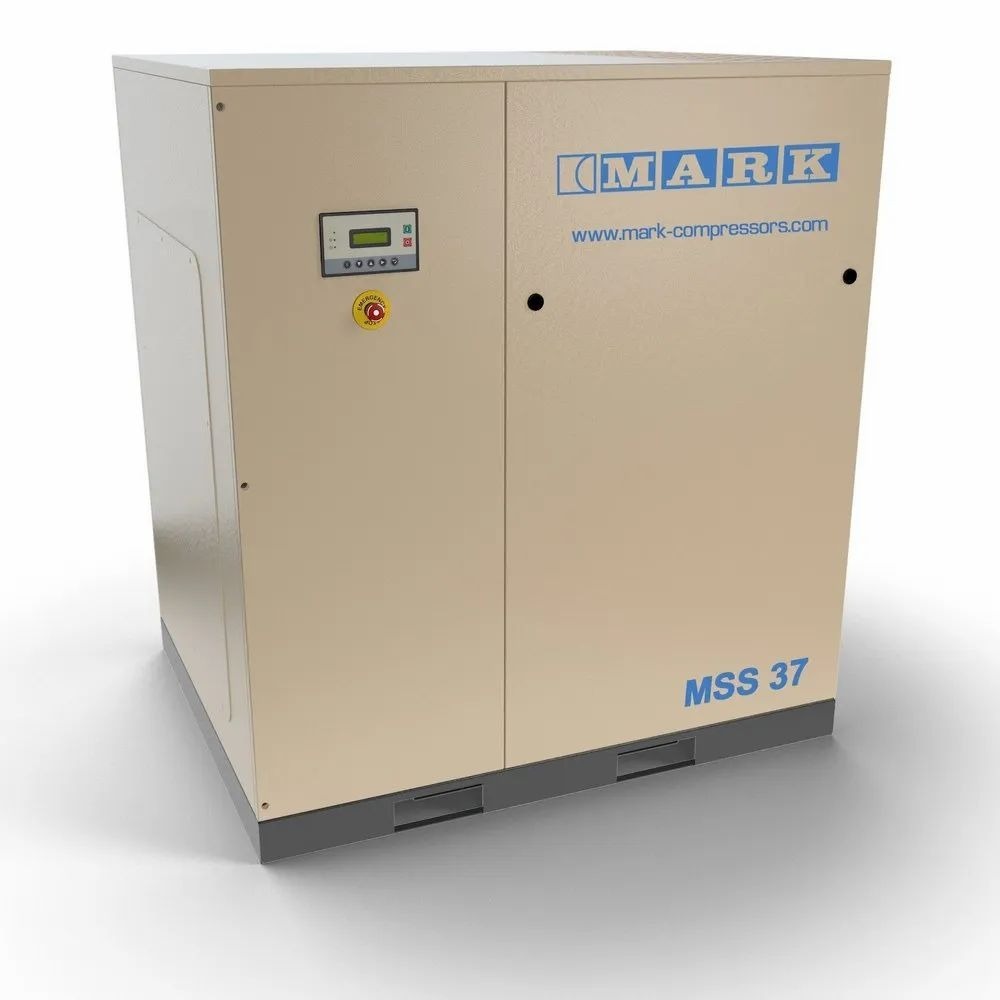
Searching for a Mark Dealer in Nashik usually means an industrial buyer has moved beyond general compressor research toward evaluating equipment availability, technical suitability, service support, plus long-term ownership requirements.
For manufacturing businesses across Nashik, Maharashtra, selecting a dealer should involve more than requesting a quotation. Industrial compressors are long-term operating assets, so buyers should evaluate the quality of technical guidance plus ongoing support surrounding the equipment.
Confirm Application Requirements First
Before discussing a specific compressor configuration, establish what the plant actually needs.
The dealer should ask about airflow demand, operating pressure, working hours, number of connected machines, production shifts, plus future expansion plans.
If the conversation moves directly to price without discussing these requirements, the proposed equipment may not reflect the facility's actual demand.
Ask About Equipment Selection
Industrial compressor selection should account for the operating profile.
Prepare information about:
- Existing compressor capacity
- Current pressure
- Production equipment
- Peak demand
- Daily operating hours
- Planned machinery additions
- Compressor room conditions
- Electrical infrastructure
This allows a more meaningful technical discussion.
Evaluate Installation Readiness
A compressor needs an appropriate operating environment.
The dealer should be able to explain considerations such as ventilation, maintenance clearance, piping connection, electrical requirements, air receiver configuration, drainage, plus supporting air treatment.
Ignoring installation conditions can reduce the value of otherwise suitable equipment.
Understand Maintenance Requirements
Every industrial compressor requires maintenance according to its design plus operating conditions.
Before purchasing, ask for clarity regarding:
- Preventive maintenance intervals
- Consumable requirements
- Service procedures
- Spare-part availability
- Breakdown support
- Recommended inspections
- Maintenance records
These factors influence equipment availability over its working life.
Ask About Energy Consumption
Electricity is an important lifecycle cost for compressed-air systems.
A useful equipment discussion should consider how the compressor will operate during normal production rather than focusing only on rated motor power.
Facilities with variable demand may require a different configuration from facilities with relatively constant demand.
Leakage, excessive pressure, dirty filters, poor piping design, plus inefficient operating practices can also affect energy consumption.
Verify Local Support Capability
For a production facility, service response can matter as much as equipment selection.
Businesses should understand how technical support is handled in Nashik, particularly when compressor availability is directly linked to production.
Ask how preventive service is scheduled, how breakdown requests are managed, plus what information operators should maintain to help technicians diagnose problems efficiently.
Compare Lifecycle Value
Two quotations that appear similar at purchase stage may create different costs over several years.
Industrial buyers should evaluate:
- Equipment suitability
- Expected energy use
- Maintenance requirements
- Parts support
- Installation requirements
- Service accessibility
- Expected utilisation
- Expansion compatibility
This gives procurement teams a broader basis for comparison.
Sahas Utility Services serves industrial customers in Nashik with compressor-related requirements, including businesses evaluating Mark equipment for manufacturing plus commercial applications.
Choosing a Mark dealer in Nashik should ultimately be treated as a technical procurement decision rather than a price-only transaction. A suitable dealer should help the buyer understand capacity, operating conditions, maintenance expectations, installation requirements, plus lifecycle considerations before equipment is commissioned. That approach gives industrial users a clearer basis for selecting equipment that fits day-to-day production requirements.