
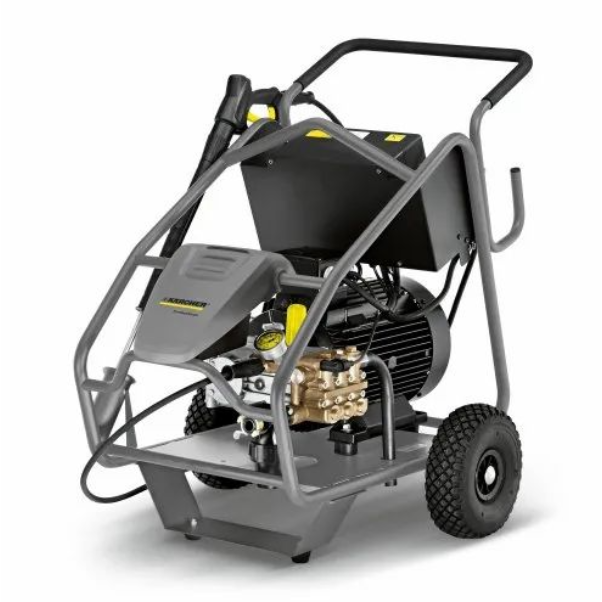
A Cold High Pressure Washer can significantly improve cleaning productivity where dirt, dust, mud, loose deposits, plus surface contamination need to be removed from industrial areas or equipment. Instead of relying solely on manual scrubbing, high-pressure water can provide concentrated cleaning action across suitable surfaces.
For factories, workshops, warehouses, automotive businesses, construction operations, plus commercial facilities in Nashik, Maharashtra, choosing the right machine requires more than comparing pressure ratings.
Pressure Alone Does Not Define Cleaning Performance
Pressure is important, but it is only one part of cleaning performance.
Water flow also influences how effectively loosened contamination is carried away from the surface. A machine with high pressure but unsuitable water flow may not deliver the productivity expected for a particular task.
Buyers should therefore consider both parameters according to the application.
Identify the Type of Dirt
Cold-water machines can be effective for many general cleaning requirements.
Typical applications may include:
- Workshop floors
- Construction equipment
- Vehicle exteriors
- Outdoor surfaces
- Machinery exteriors
- Warehouse areas
- Industrial yards
- General maintenance cleaning
The surface material plus contamination type should always be checked before applying high-pressure cleaning.
Sensitive components, electrical systems, seals, painted finishes, plus delicate surfaces may require controlled pressure or another cleaning method.
Consider How Often the Machine Will Run
A machine used for occasional facility cleaning has different operating requirements from equipment used for several hours each day.
Commercial buyers should estimate:
- Cleaning frequency
- Average operating duration
- Area to be cleaned
- Number of operators
- Distance from water supply
- Mobility requirements
- Availability of electrical power
These details influence equipment configuration plus durability requirements.
Check Accessories Carefully
The usefulness of a pressure washer depends partly on its accessories.
Hose length, trigger gun design, lance configuration, nozzle selection, plus optional cleaning attachments can influence operator productivity.
Longer reach may reduce repeated machine movement across large industrial areas, while appropriate nozzle selection helps control the cleaning pattern.
Accessories should therefore be evaluated according to actual working conditions rather than treated as secondary items.
Consider Water Supply
High-pressure equipment still requires an adequate water supply.
Before installation, confirm the available water source plus required flow. Poor supply conditions may affect machine performance.
Facilities should also plan where wastewater will go after cleaning. Industrial cleaning can dislodge oil, mud, grease, solids, plus other contaminants that may require appropriate collection or disposal according to site procedures.
Operator Practices Matter
Incorrect use can damage surfaces or create unnecessary safety risks.
Operators should understand appropriate working distance, nozzle selection, hose handling, startup procedures, shutdown procedures, plus basic equipment inspection.
Pointing concentrated high-pressure water toward unsuitable surfaces can cause damage even when the machine itself is functioning correctly.
Look at Serviceability Before Purchasing
Commercial cleaning equipment may be used in demanding conditions.
Before buying, businesses should understand maintenance requirements, service accessibility, availability of consumables, plus support for wear components.
Sahas Utility Services supplies industrial cleaning equipment requirements for businesses in Nashik where application assessment is an important part of machine selection.
A cold high pressure washer should be chosen according to contamination type, cleaning frequency, surface condition, water flow, pressure requirement, plus expected operating hours. Matching those factors correctly can help maintenance teams achieve more productive cleaning without purchasing unnecessary capacity or using equipment that is poorly suited to the task