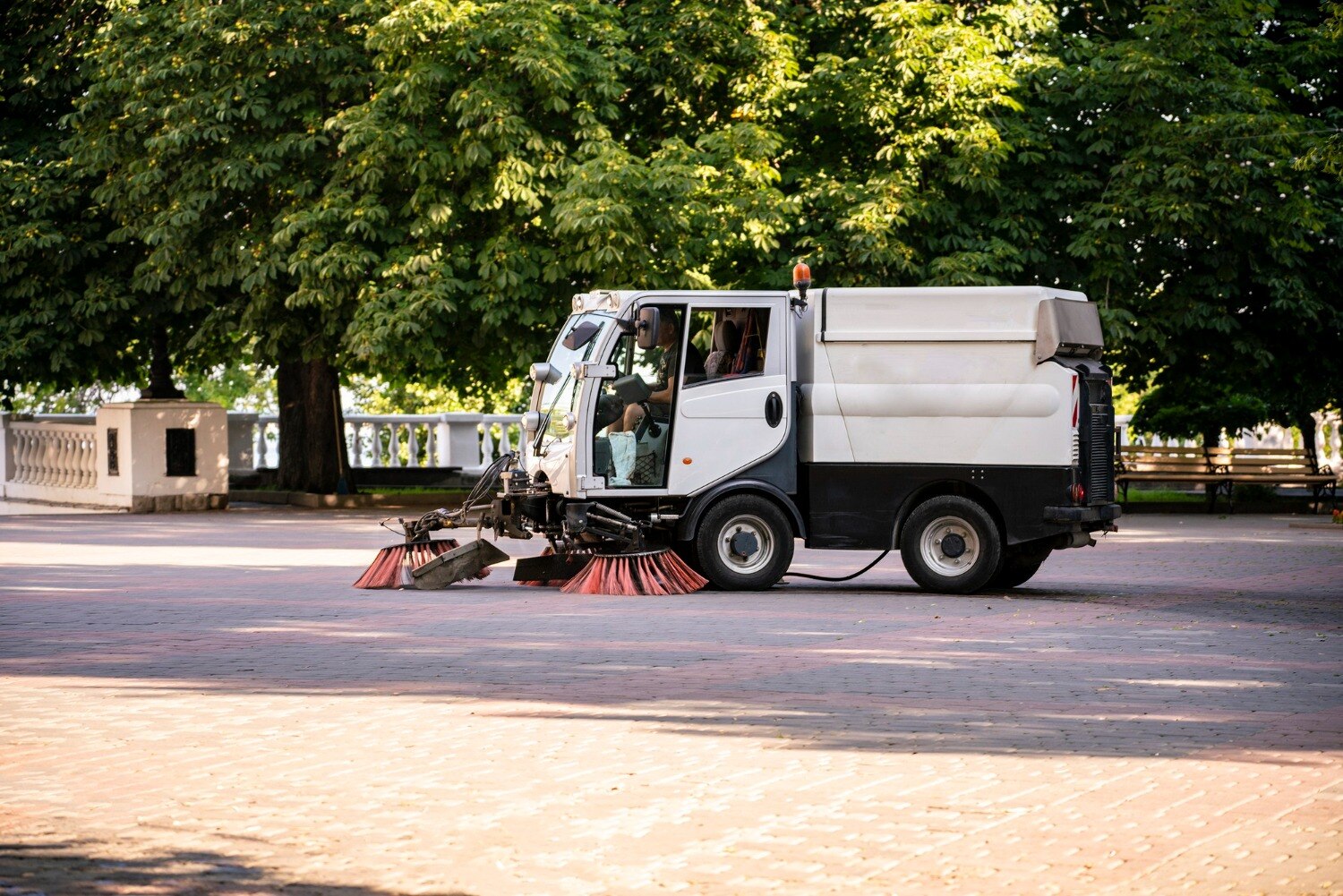
Nashik buyers can encounter MCM 600, ISAL 6000, and “6 m³ road sweeper” in listings that do not clearly identify the same machine. By the end, you will know what model evidence to request, how to check stock or an order-based supply, which specifications affect route performance, and how to compare delivery, commissioning, rental, and service support.
Key takeaways
- Use “MCM ISAL 6000” and “ISAL 6000” on quotation requests.
- Ask whether the sweeper is stocked in Nashik or supplied against an order.
- Compare chassis, hopper capacity, water system, brushes, and suction hardware.
- Test route fit and confirm local maintenance, parts, and operator support.
Confirm Whether MCM 600 and ISAL 6000 Refer to the Same Machine
“MCM ISAL 6000” and “ISAL 6000” are the safest names to put on a quotation request. “MCM 600” is often a shortened or mistaken search term, not proof of a separate 600 m³ or 600-litre sweeper.
Treat the mcm isal 6000 city sweeper in nashik and the mcm 600 city sweeper in nashik as unconfirmed until the machine documents match.
Ask the seller to identify the exact machine, not merely confirm that it is a “6 m³ sweeper.” The ISAL 6000 designation points to an approximately 6 m³ hopper class, but usable debris volume falls when water, compacted silt, or bulky waste occupies the body.
A different chassis, broom arrangement, suction system, or model year can also make two similarly named machines different configurations.
Request these items before comparing prices:
- Photograph of the manufacturer’s model plate showing the model, serial number, and year of manufacture.
- Technical datasheet naming the manufacturer, country of origin, hopper capacity, chassis, and sweeping system.
- Type-approval or homologation document matching that serial number and completed vehicle.
- Written confirmation that “MCM 600,” “ISAL 6000,” and “MCM ISAL 6000” refer to the quoted machine.
- Separate figures for mechanical brooms, suction fan, suction-mouth width, gutter-broom diameter, sweeping width, and hydraulic controls.
- Warranty terms for the carrier chassis and sweeper body, plus the commissioning record, operator-training plan, and spare-parts lead-time schedule.
If the seller cannot connect the name to a model plate and datasheet, do not assume the listing describes an ISAL 6000.
Find Out Whether the Sweeper Is Stocked in Nashik or Supplied to Order
An ISAL 6000 supplier in Nashik should tell you whether the machine is physically available, arriving against a purchase order, or available only through rental or intercity delivery. An online listing using “city sweeper” proves none of these.
1. Search and call using “MCM ISAL 6000,” “ISAL 6000,” “6 m³ road sweeper,” “vacuum sweeper,” and “municipal road sweeper,” followed by Nashik. Ask for the inspection address, stock status, and the model plate photograph.
2. If it is in Nashik, inspect the actual machine and record its serial number, model year, chassis number, hour meter, and body condition. If it is supplied to order, request the manufacturer’s country of origin, production lead time, transport route, unloading method, and expected delivery date.
3. For a rental, confirm the rental period, operator responsibility, fuel, insurance, breakdown response, replacement-machine terms, and delivery and collection charges. Do not assume a demonstration vehicle is available for commercial hire.
4. Require the quotation to separate the carrier chassis, engine rating, wheelbase, gross vehicle weight, axle ratings, payload, hopper capacity, water-tank capacity, and road-legal documentation. It must also state the mechanical broom arrangement, suction fan, suction mouth width, gutter-broom diameter, sweeping width, and hydraulic controls.
5. Check whether the total includes registration-related documents, insurance, GST, transport to Nashik, operator training, commissioning, initial consumables, tool kit, spare brushes, and hydraulic oil. Request chassis and body warranties, export or import papers, the commissioning record, and a parts lead-time schedule before approving the order.
Compare the Chassis, Hopper, Water System, and Sweeping Hardware
A comparable quotation must show the carrier, hopper, water system, and sweeping hardware as separate specifications. A nominal 6 m³ capacity does not reveal usable debris volume, legal payload, dust control, or cleaning performance on Nashik routes.
| Component | Require on quotation | Why it matters |
|---|---|---|
| Chassis | Make and model, engine rating, wheelbase, gross vehicle weight, operating weight, axle ratings, payload, overall dimensions, ground clearance, and turning radius | Confirms the completed vehicle can carry its load and fit the intended roads |
| Hopper | Nominal and usable volume, construction material, tipping height, discharge method, water and silt allowance | Compacted silt, water, and bulky refuse reduce practical capacity |
| Water system | Tank capacity, spray-nozzle locations, pump flow or pressure, filtration arrangement, and estimated water consumption | “Water sprinkling system” does not prove adequate dry-season dust suppression |
| Sweeping hardware | Mechanical broom arrangement, suction-fan rating, suction-mouth width, gutter-broom diameter, total sweeping width, and hydraulic controls | These specifications determine edge cleaning, pickup, operator control, and route productivity |
Ask the supplier to state the manufacturer, country of origin, model year, serial number, and whether each figure applies to the complete vehicle or only the body. For a municipal sweeper machine in Nashik, require drawings or photographs showing nozzle and broom positions, plus warranty coverage for both chassis and body.
Compare usable volume and payload, not the phrase “6 m³ road sweeper” alone.
Match the Sweeper to Nashik Routes Before You Commit
A municipal sweeper machine in Nashik must be tested on the routes you actually clean, not only on an empty, smooth road. Include paved arterial roads, narrow residential lanes, kerbs, interlocking blocks, dusty shoulders, parked vehicles, leaves, plastic waste and construction dust.
| Route or condition | What to test | Failure to watch |
|---|---|---|
| Arterial asphalt | Continuous sweeping in live traffic and at each stated operating width | Missed strips, unsafe merging or traffic delays |
| Kerbs and gutters | Pickup beside frequent kerbs, drains and parked vehicles | Debris left along the gutter or repeated reversing |
| Interlocking blocks | Brush pressure and suction across uneven pavers | Scuffing, displaced blocks or poor dust collection |
| Dusty shoulders | Dry fine dust and loose edge material | Visible dust plume, rapid filter loading or windrows |
| Leaves and plastic | Mixed seasonal litter at low and moderate speed | Plastic wrapping the broom or leaves bypassing suction |
| Narrow lanes | Turning, avoidance and unloading-route access | Contact with walls, blocked traffic or excessive manoeuvring |
Require the live demonstration to record fuel use, water use, swept lane-kilometres per shift, average speed, stops caused by traffic, hopper-fill time and unloading time. Measure the distance to the disposal point; a fast brush cycle loses value if travel and tipping consume the shift.
Ask the city road cleaning machine supplier to document sweeping width, suction-mouth width, gutter-broom reach, turning radius, ground clearance and minimum route width. Reject a pass that leaves kerb debris, damages pavers, or relies on brochure speed rather than measured Nashik route productivity.
Use Local Service Capability as Part of the Buying Decision
A low purchase price is not a saving if a failed fan, hydrostatic drive, or control system leaves the sweeper idle while an imported part is located. Before choosing an isal 6000 supplier in nashik, test the service promise in writing, not through a sales representative’s assurance.
1. Ask for a named Nashik technician, emergency response time, escalation contact, workshop location, diagnostic method, and planned visit charges. Confirm who handles hydraulic hoses, electrical faults, fan failures, and hydrostatic-drive faults.
2. Require a preventive-maintenance schedule covering daily hopper and filter cleaning, brush-height adjustment, hydraulic-oil checks, water-system flushing, and fan inspection. Poor air-path cleaning reduces suction and increases dust emissions.
3. Request a stocked-parts list with quantities and lead times for side and main brooms, filters, hoses, seals, nozzles, fan components, sensors, and control parts. A city road cleaning machine supplier should identify which items are held in Nashik and which require import.
4. Put commissioning in the purchase order: assembly checks, fluid filling, operator training, route trial, commissioning record, and handover of the serial number, warranty terms, manuals, and parts schedule. If Sahas Utility Services is quoting, apply this same document test.
5. Define acceptance before payment. Record wet and dry sweeping results, sweeping width, dust suppression, collection efficiency, water leakage, reversing-camera visibility, warning beacons, and road-speed operation. Specify the remedy and acceptance deadline for each failed test; “fully operational” proves nothing without measured criteria.
Related product
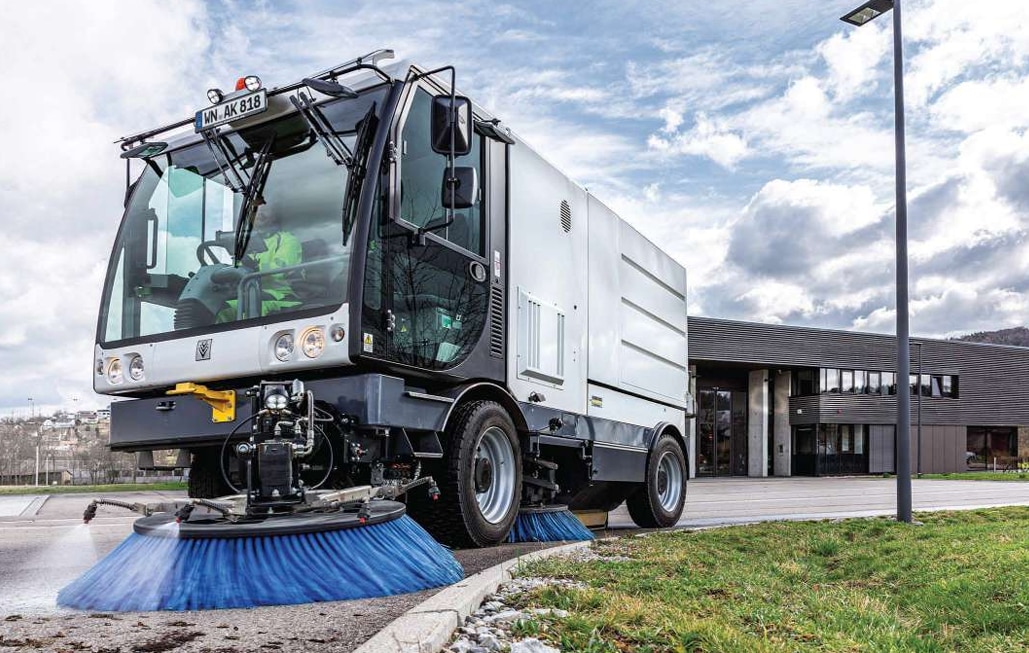 | City Sweeper Machine The MCM 600 / ISAL 6000 is a professional municipal and industrial sweeping solution designed for efficient cleaning of roads, streets, public areas,... View product → |
Frequently asked questions
Do MCM 600 and ISAL 6000 refer to the same city sweeper?
Treat “MCM ISAL 6000” and “ISAL 6000” as the safer quotation names. “MCM 600” can be a shortened or mistaken search term, so ask the supplier for the exact model designation and specification sheet.
How can I check whether an ISAL 6000 sweeper is available in Nashik?
Ask the supplier to state whether the machine is physically stocked in Nashik, imported or transported against an order, or available only after a confirmed production or dispatch schedule. Request the expected delivery date in writing.
Which specifications should I compare before buying a municipal sweeper?
Compare the carrier chassis, gross vehicle weight, hopper volume, dumping height, water-tank capacity, spray controls, side brushes, main brush, suction system, dust suppression, turning radius, and cleaning width.
How do I match a city sweeper to Nashik routes?
Measure route width, kerb geometry, slopes, speed restrictions, parking density, dust load, and disposal-site access. Choose a compact configuration for tight streets and confirm that the hopper, water supply, and dumping arrangement suit each route.
Why does local service capability matter when buying a road sweeper?
Confirm who will provide preventive maintenance, brush and filter replacement, hydraulic and suction-system repairs, operator training, emergency response, and parts supply in or near Nashik.
Keywords