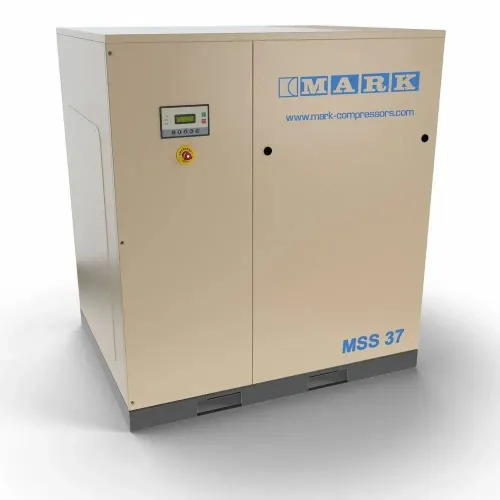
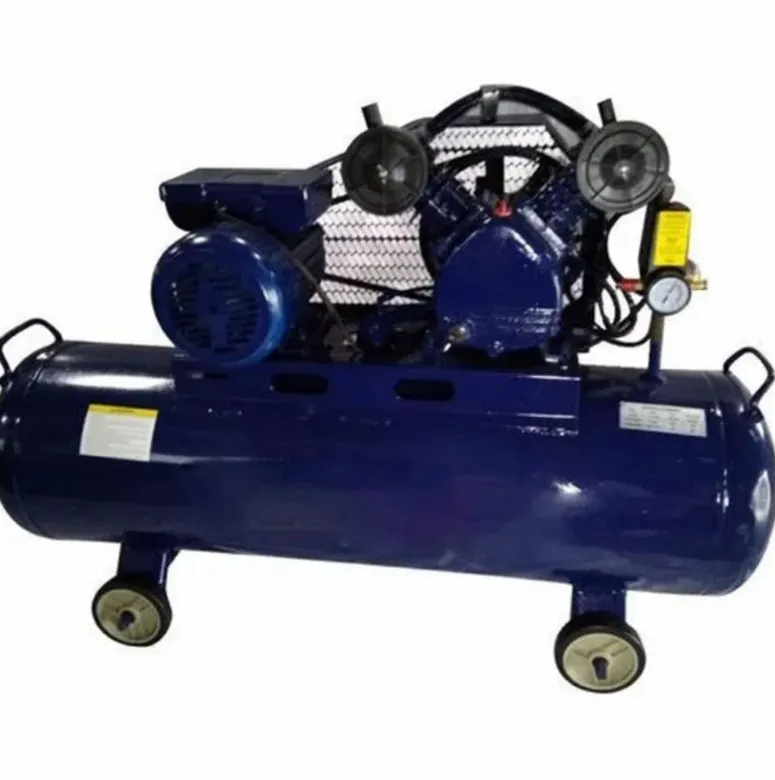
A Reciprocating Air Compressor remains useful across many industrial, commercial, service, plus workshop applications. The technology is well established, relatively straightforward to understand, plus suitable for many situations involving intermittent compressed-air demand.
Businesses in Nashik, Maharashtra, considering this type of compressor should focus on usage pattern, required pressure, duty cycle, available capacity, plus maintenance requirements before making a selection.
How Reciprocating Compression Works
A reciprocating compressor uses piston movement within a cylinder to compress air.
During operation, atmospheric air enters the cylinder before piston movement reduces the available volume. The resulting compressed air is discharged into the system or receiver.
Different configurations are available according to pressure, capacity, plus application requirements.
The familiar mechanical design makes reciprocating compressors common in workshops, garages, small production facilities, service operations, plus selected industrial applications.
Where This Compressor Type Fits
Reciprocating technology can be suitable where compressed air is required periodically rather than continuously throughout long production shifts.
Typical applications may include:
- Pneumatic hand tools
- Workshop equipment
- Tyre inflation
- Maintenance activities
- Small fabrication operations
- Service stations
- Intermittent machine operation
- General-purpose compressed-air tasks
The suitability depends on actual operating demand rather than the industry name alone.
A workshop with frequent continuous air consumption may require a different capacity assessment from another workshop using compressed air only several times during the day.
Duty Cycle Should Not Be Ignored
Duty cycle refers to the relationship between operating time plus resting time.
Reciprocating compressors may generate considerable heat during compression. Appropriate operating cycles allow the equipment to manage temperature within its intended design conditions.
Running equipment continuously when it was selected for intermittent service can contribute to excessive heat, accelerated wear, plus additional maintenance requirements.
Buyers should therefore estimate how frequently tools or machines will consume air.
Receiver Capacity Has a Practical Role
The air receiver stores compressed air that can be used when demand occurs.
For intermittent applications, suitable receiver capacity can help reduce rapid compressor cycling while providing stored air for short periods of tool operation.
However, receiver size should be considered alongside compressor output plus demand. A large receiver cannot compensate indefinitely for inadequate compressor capacity.
Maintenance Is Relatively Straightforward but Essential
Mechanical simplicity does not mean maintenance can be ignored.
Depending on the equipment, maintenance may include checking:
- Lubricant condition
- Intake filters
- Drive belts
- Valves
- Fasteners
- Cooling surfaces
- Receiver drainage
- Air leaks
- Electrical connections
Condensate management deserves particular attention because moisture can accumulate within compressed-air systems.
Consider the Working Environment
Nashik has a substantial manufacturing plus engineering base, which means compressor applications can range from small workshops to demanding production environments.
Dust levels, ambient temperature, available ventilation, working hours, plus electrical conditions should all be considered before installation.
A compressor placed in a poorly ventilated corner may experience different operating conditions from the same equipment installed within a properly planned compressor area.
Sahas Utility Services supports businesses in Nashik evaluating compressor equipment for practical industrial applications. The right choice depends on matching equipment characteristics with real usage rather than simply selecting a familiar compressor type.
A reciprocating air compressor can remain an effective solution when demand is intermittent, capacity is correctly calculated, operating cycles are respected, plus maintenance is performed consistently. Understanding those factors gives workshops plus industrial users a clearer basis for deciding whether this technology fits their compressed-air requirement.
Keywords