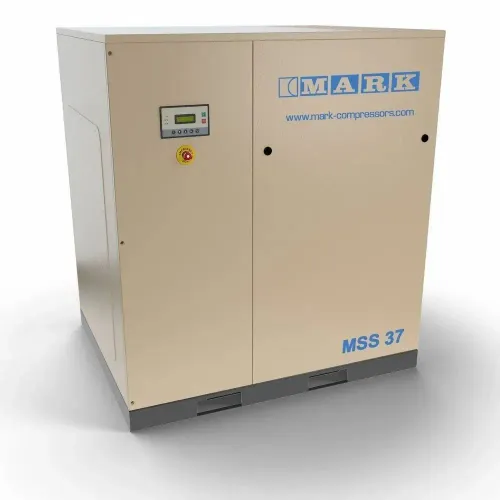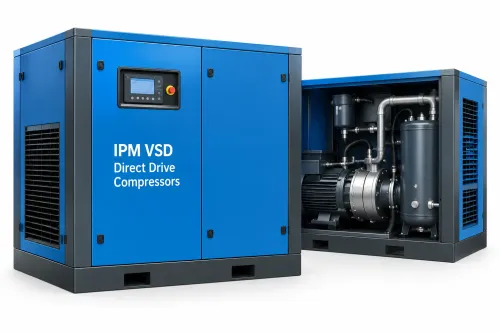
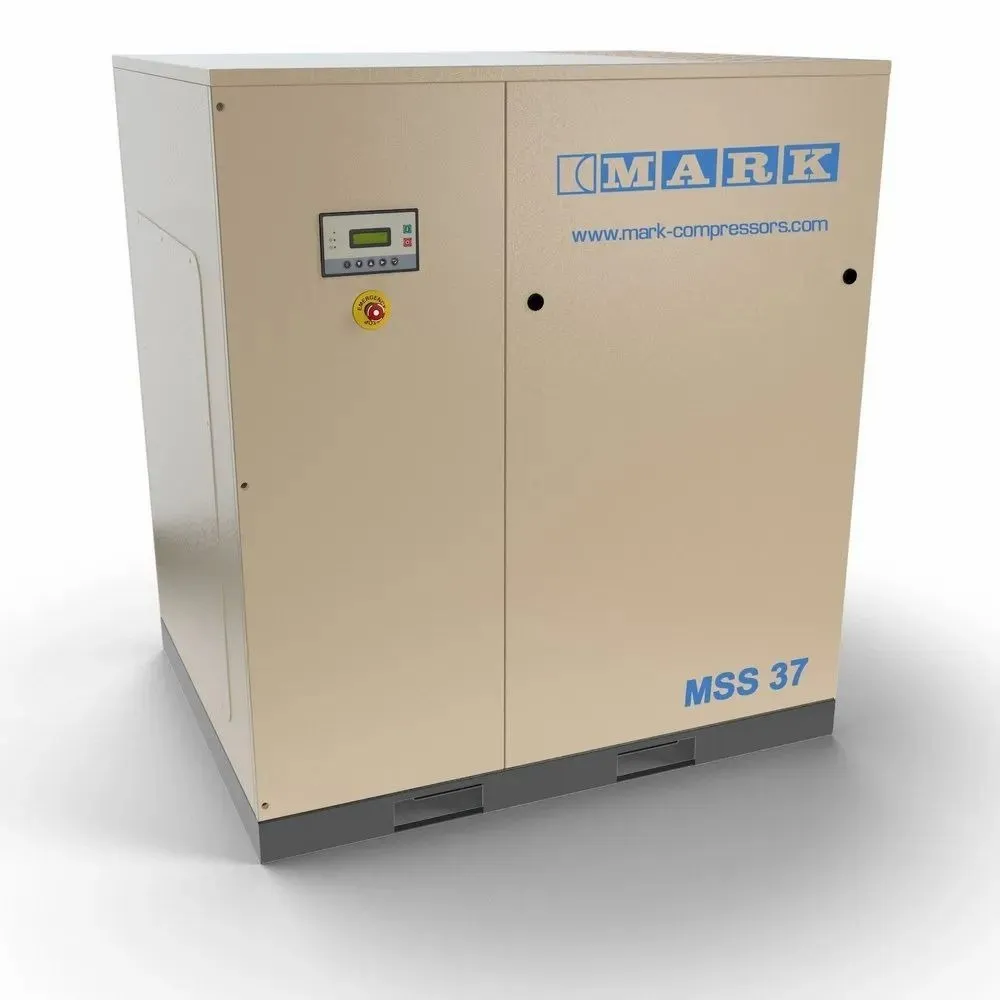
A Screw Air Compressor is commonly considered for industrial environments where compressed air is required for extended operating periods. Manufacturing plants, engineering facilities, workshops, packaging units, automotive operations, plus other businesses may use this compressor technology where reliable airflow is important throughout regular production.
For industrial facilities in Nashik, Maharashtra, understanding how screw compressor technology works can help determine whether it suits the actual duty cycle.
How a Screw Compressor Produces Compressed Air
A rotary screw compressor uses rotating elements within a compression chamber. As these rotors turn, air is drawn into the machine, trapped within the compression mechanism, then progressively compressed before discharge.
This operating principle makes screw compressors suitable for applications involving sustained compressed-air demand.
Rather than evaluating the technology simply because it is widely used in industry, businesses should consider how closely its operating characteristics match their production pattern.
Continuous Demand Is an Important Factor
One of the first questions is how many hours the facility requires compressed air each day.
A production unit operating pneumatic machinery throughout a long shift has a very different duty profile from a workshop using compressed air occasionally.
Screw compressor technology may be particularly relevant where:
- Compressed air is required for long operating periods
- Several pneumatic machines run during production
- Air demand remains relatively consistent
- Production depends heavily on stable compressed-air supply
- Compressor usage occurs across multiple shifts
Understanding the duty cycle prevents equipment selection from being based solely on rated power.
Correct Sizing Still Matters
Selecting a larger compressor does not automatically improve the system.
Oversizing can create inefficient operating patterns when actual demand remains substantially below compressor capacity. Undersizing can create pressure instability, excessive running, plus difficulty supporting production during peak demand.
An assessment should consider existing consumption plus reasonable future expansion.
Where future machinery is expected, its compressed-air requirement should be incorporated into planning rather than purchasing equipment that is dramatically oversized from the beginning.
Installation Conditions Affect Performance
Even correctly selected equipment requires an appropriate installation environment.
The compressor room should provide suitable ventilation because compression generates heat. Maintenance teams also need enough space around the machine to inspect filters, cooling components, lubrication systems, plus service points.
Poor ventilation can increase operating temperature, which may affect reliability.
Plant teams should also review:
- Ambient conditions
- Electrical supply
- Foundation requirements
- Piping arrangement
- Air receiver placement
- Drainage
- Air treatment equipment
- Maintenance accessibility
Planning these details before installation can prevent avoidable modifications later.
Air Leaks Can Waste Compressor Capacity
Leaks are common in industrial compressed-air systems. They may occur at couplings, hoses, valves, connectors, damaged piping, plus poorly maintained equipment.
Even when individual leaks appear small, multiple leaks across a factory can create meaningful continuous demand.
Before assuming that an existing compressor has become too small, maintenance teams should inspect the distribution network. Correcting leaks may recover usable capacity while reducing unnecessary energy consumption.
Monitor the System After Installation
A compressor should not become an ignored utility after commissioning.
Operating pressure, temperature, running hours, service intervals, filter condition, plus unusual changes in performance should be monitored routinely.
Sahas Utility Services serves industrial customers in Nashik with compressed-air equipment requirements where appropriate equipment selection plus ongoing system attention are important considerations.
For factories evaluating a screw air compressor, the key question is not whether screw technology is popular. The useful question is whether the technology matches operating hours, airflow demand, pressure requirements, installation conditions, plus production expectations.
When those factors are assessed carefully, businesses can make a technically informed decision that supports dependable compressed-air availability throughout regular industrial operations.
Keywords